India’s supply chains face challenges such as transportation delays, infrastructure bottlenecks, rising fuel costs, inventory management issues, regulatory compliance, and demand fluctuations. Modern logistics companies overcome these challenges through technology, route optimisation, integrated warehousing, real-time tracking, and efficient transportation networks.
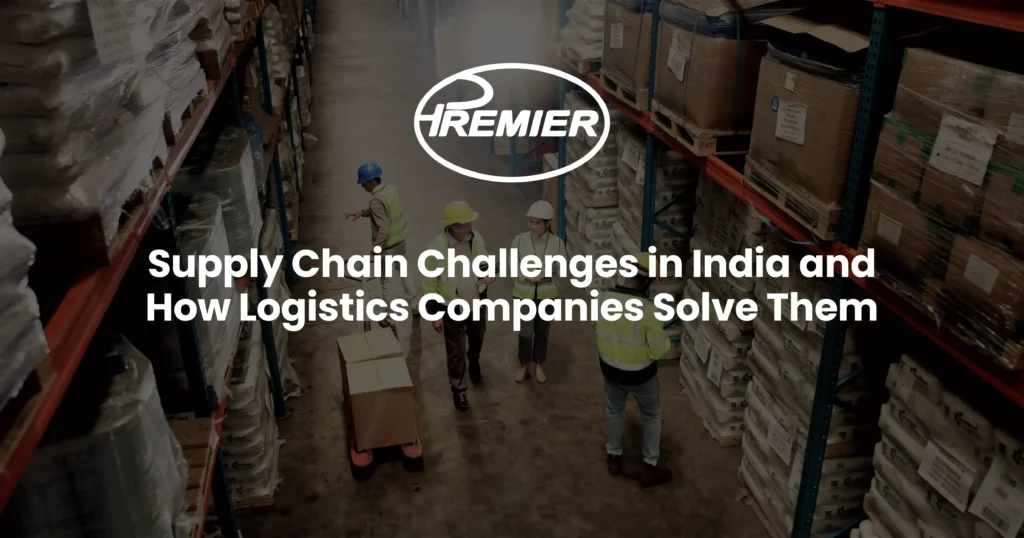
Supply chains have become one of the most important competitive advantages for businesses. Whether you’re manufacturing automobiles, pharmaceuticals, FMCG products, industrial equipment, or consumer goods, your ability to deliver products on time directly impacts customer satisfaction and profitability.
India’s logistics sector has evolved rapidly in recent years, driven by infrastructure development, digital transformation, GST reforms, and increasing customer expectations. Yet businesses continue to face several operational challenges that can disrupt production schedules, increase logistics costs, and reduce overall efficiency.
Understanding these challenges—and partnering with the right logistics company—can help organisations build more resilient and cost-effective supply chains.
What Is a Supply Chain?
A supply chain is the complete network involved in moving goods from raw material suppliers to manufacturers, warehouses, distributors, retailers, and finally to end customers.
A typical supply chain includes:
- Procurement
- Manufacturing
- Inventory Management
- Warehousing
- Transportation
- Distribution
- Last-mile Delivery
Each stage must work seamlessly to ensure uninterrupted business operations.
Why Supply Chain Efficiency Matters
An efficient supply chain helps businesses:
- Deliver products faster
- Reduce transportation costs
- Improve inventory turnover
- Minimise production delays
- Increase customer satisfaction
- Strengthen competitiveness
Even small disruptions can create significant financial and operational consequences.
Top Supply Chain Challenges in India
1. Transportation Delays
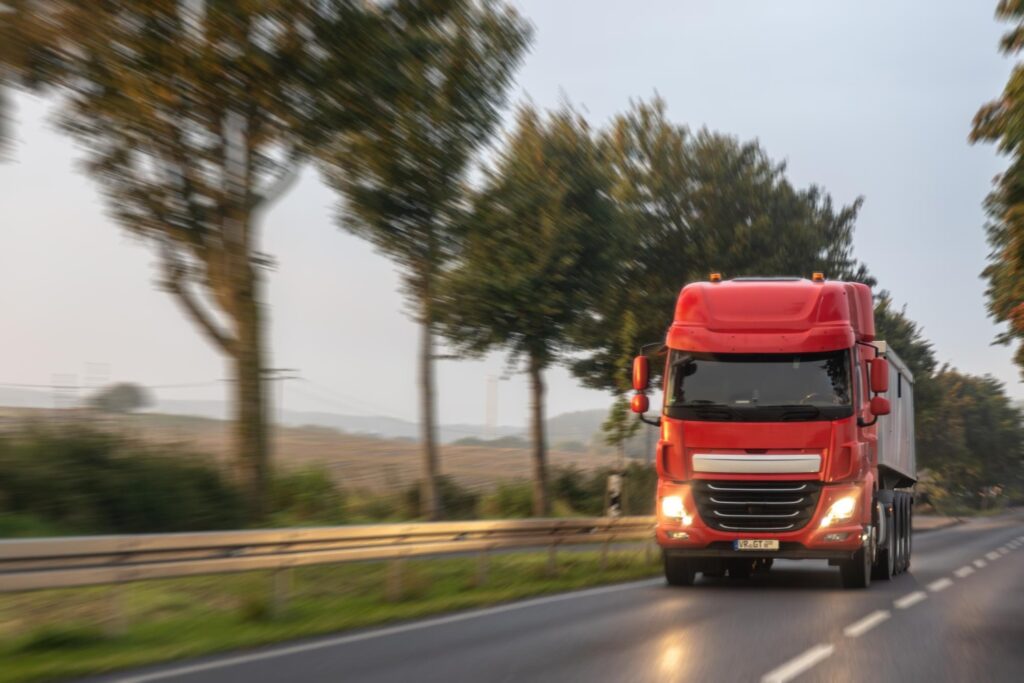
Road congestion, weather conditions, vehicle breakdowns, and regional restrictions can delay shipments.
How Logistics Companies Solve It
- Route optimization software
- GPS-enabled fleet monitoring
- Alternate route planning
- Preventive vehicle maintenance
- Experienced transport planning
2. Rising Transportation Costs
Fuel prices, toll charges, labour expenses, and fleet maintenance contribute to increasing logistics costs.
Solution
Modern logistics providers reduce costs through:
- Fleet optimization
- Consolidated shipments
- Efficient route planning
- Better vehicle utilization
- Technology-driven scheduling
3. Inventory Management Challenges
Excess inventory increases storage costs, while insufficient inventory leads to stock shortages.
Solution
Integrated warehousing and inventory visibility enable businesses to maintain optimal stock levels while reducing carrying costs.
4. Infrastructure Constraints
Although India has made significant infrastructure improvements, certain regions still face connectivity challenges.
Solution
Experienced logistics companies develop multi-route transportation strategies and regional distribution networks to maintain service reliability.
5. Demand Fluctuations
Seasonal demand, market trends, and customer buying behaviour often make forecasting difficult.
Solution
Flexible transportation capacity and scalable warehousing solutions allow businesses to respond quickly to changing market conditions.
6. Regulatory Compliance
Interstate transportation requires compliance with GST regulations, e-way bills, documentation, and industry-specific requirements.
Solution
Professional logistics partners maintain dedicated compliance processes that reduce delays and administrative errors.
Technology Is Transforming Logistics
Today’s logistics companies use technology to improve efficiency across the supply chain.
Examples include:
- GPS fleet tracking
- Transport Management Systems (TMS)
- Warehouse Management Systems (WMS)
- Electronic Proof of Delivery (ePOD)
- Real-time shipment visibility
- Data analytics for route optimisation
Technology enables faster decision-making and improves operational transparency.
The Role of Warehousing
Warehousing is no longer just about storing goods.
Modern warehouse logistics support:
- Inventory accuracy
- Faster order processing
- Reduced lead times
- Regional distribution
- Value-added services
- Better customer service
Strategically located warehouses also help reduce transportation costs and delivery times.
Industry Example
A consumer goods manufacturer faced recurring delivery delays due to fragmented transportation and limited inventory visibility.
By partnering with an integrated logistics provider offering transportation, warehousing, and shipment tracking, the company streamlined distribution operations, improved delivery performance, and enhanced inventory planning across multiple regions.
This illustrates how coordinated logistics solutions contribute to a more resilient supply chain.
Expert Insight
The most successful supply chains are not those with the lowest transportation costs—they are the ones that balance cost, speed, reliability, and visibility. Investing in integrated logistics solutions often delivers greater long-term value than focusing solely on freight rates.
Why Choosing the Right Logistics Partner Matters
An experienced logistics company provides more than transportation.
Look for a partner that offers:
- Nationwide transportation network
- Full Truckload (FTL) services
- Warehousing solutions
- ODC transportation expertise
- Real-time shipment tracking
- Experienced operations team
- Compliance support
- Technology-driven logistics management
A strategic logistics partner helps businesses reduce complexity while improving operational efficiency.
Why Choose PRCL Limited?
PRCL Limited has extensive experience delivering transportation and logistics solutions across India.
Our capabilities include:
- Road transportation services
- Full Truckload (FTL) transportation
- ODC transportation
- Warehousing and distribution
- Integrated logistics solutions
- Nationwide service network
- Technology-enabled shipment visibility
- Dedicated customer support
We help businesses build reliable, scalable, and efficient supply chains that support long-term growth.
Frequently Asked Questions
What are the biggest supply chain challenges in India?
Transportation delays, rising logistics costs, infrastructure constraints, inventory management, regulatory compliance, and demand fluctuations are among the most common challenges.
How do logistics companies improve supply chain efficiency?
They optimise transportation routes, provide integrated warehousing, implement technology, monitor shipments in real time, and improve inventory visibility.
Why is real-time shipment tracking important?
It enables businesses to monitor deliveries, respond to delays quickly, improve customer communication, and enhance operational planning.
How can warehousing improve supply chain performance?
Modern warehousing reduces lead times, improves inventory accuracy, and supports faster order fulfilment.
What industries benefit from integrated logistics?
Manufacturing, automotive, FMCG, pharmaceuticals, retail, engineering, chemicals, and consumer goods all benefit from professional logistics services.
How does PRCL Limited support businesses?
PRCL Limited provides transportation, warehousing, ODC logistics, FTL services, and technology-enabled logistics solutions designed to improve operational efficiency.
Conclusion
Supply chain challenges are inevitable, but they can be effectively managed with the right strategy and logistics partner. Businesses that invest in efficient transportation, integrated warehousing, technology, and real-time visibility are better positioned to reduce costs, improve service levels, and respond quickly to market changes.
By partnering with an experienced logistics company like PRCL Limited, organisations can strengthen supply chain resilience and support sustainable business growth.