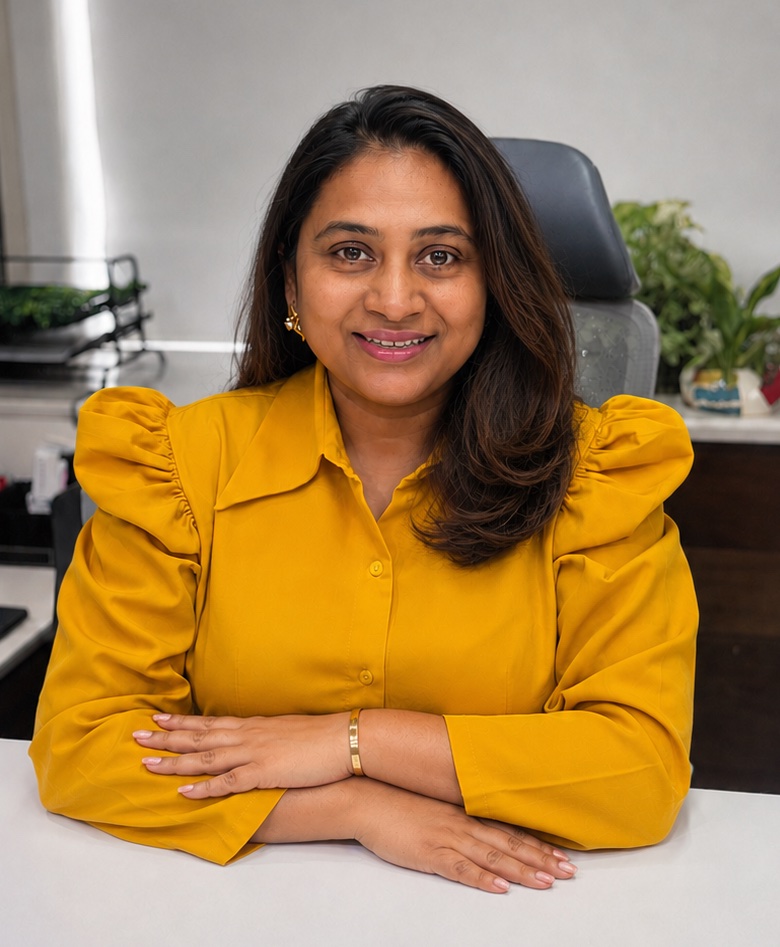
In an industry built by men, PRC’s women are rewriting the rules — together.
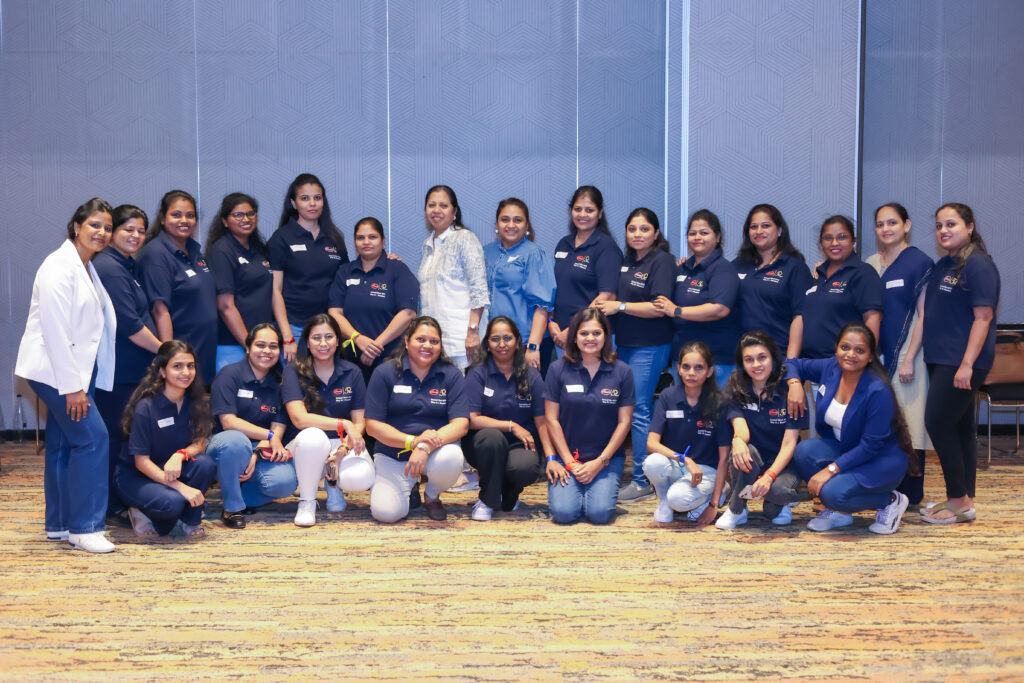
Logistics has long been seen as a man’s industry — built, run, and led mostly by men. But at PRC, that is slowly changing, as more women are being heard, their voices are gaining space, and their perspectives are making a difference. Women-on-the-move, a community created for the women of the PRC family, began as a simple idea shared over WhatsApp and has since grown into a space where women across functions, branches, and stages of life come together to talk about the things that often get pushed aside in the rush of work and home life — confidence, financial independence, wellbeing, and personal growth.
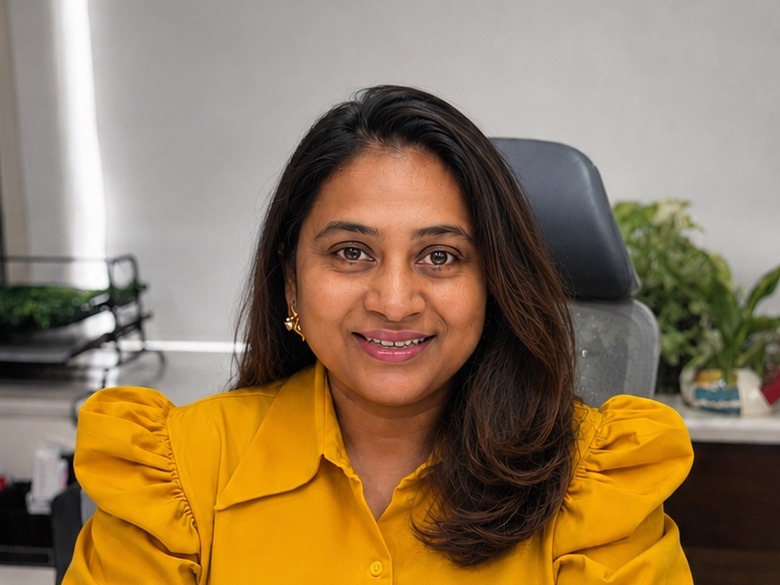
In this conversation, we speak with the leader behind the initiative about why it was started, what it has meant to the women at PRC, and why she believes the future of logistics depends on giving women not just a seat at the table, but a genuine voice in shaping it.
Q. Women-on-the-move is a community created for the women of the PRC family. What was the thought behind creating it, and what does the initiative mean to you?
Women-on-the-move started with a fairly simple thought — and interestingly, it wasn’t even mine to begin with.
A woman within our team suggested that we create a small WhatsApp group where women could support each other. Such a small idea, but it stayed with me. And the more I thought about it, the more I realised how much was possible within that simple suggestion.
At PRC, we have women across different functions, branches, age groups and stages of life. I wanted to build on that idea and create a community where we could have conversations that sometimes get lost in the busyness of work and home — whether it is wellbeing, confidence, financial independence, personal growth or simply taking a pause.
For me, Women-on-the-move is less about creating another programme and more about creating a sense of belonging. A space where women feel seen, heard and encouraged to take that next step for themselves.
Q. Logistics has traditionally been a very male-dominated industry. Why do you think it is important for that narrative to change now?
Logistics is an industry that keeps the country moving, but traditionally, much of the industry has been built around a male workforce and a very male-centric way of working.
That needs to change not simply because we need more women, but because we need the industry to benefit from the perspectives, capabilities and experiences that women bring.
Women have always been part of the logistics ecosystem — as administrators, as support staff, as the families behind the drivers and operators. It is time they are also at the centre of it. The narrative needs to change because the reality has already changed — we just need the industry to catch up.
Q. What changes when women have a stronger voice and presence in an industry like logistics? What perspectives do they bring to the table?
I don’t think there is one particular “female perspective”. Women, like men, bring different experiences, personalities and ways of thinking.
But women can bring a different lens to relationships — with teams, vendors and customers — and often bring a strong focus on people, sustainability and the long game. In an industry that has historically been very transactional, that shift in perspective matters.
Having more women in the room naturally brings more diversity of thought. It changes the questions being asked, the problems being noticed and sometimes even the way decisions are approached.
Q. India has seen a significant shift in the role of women at work over the last decade. What changes have you personally observed, and where do you think Indian workplaces still have some distance to go?
There has definitely been a shift. Women today are more willing to speak about ambition, leadership, financial independence and what they want from their careers. Organisations too are talking much more openly about inclusion and gender ratios.
But I think we still have some distance to go when it comes to the invisible expectations placed on women.
A woman may have a demanding career and still be expected to carry much of the responsibility at home. Sometimes the biggest barrier isn’t whether an organisation allows a woman to grow — it is whether the ecosystem around her allows her the time, space and support to do so.
We need to move from simply saying “women can do it” to asking, “What can we change so they don’t have to do it all alone?”
Q. Women in India often navigate careers alongside responsibilities at home. How can organisations move from simply acknowledging this reality to genuinely supporting women through it?
It starts with listening.
Not every woman needs the same support. For some, flexibility may matter. For another, it may be childcare support, a manager who understands a difficult phase, the ability to take a career break without being written off, or simply having a workplace where asking for help doesn’t feel like a weakness.
Organisations need to look at policies, but also at culture and managers. A policy on paper is only useful if people feel safe using it.
And importantly, supporting women should not mean lowering expectations. It means creating an environment where women have a fair opportunity to meet those expectations.
Q. Why was it important for Women-on-the-move to focus not just on professional development, but also on financial literacy, wellbeing and personal growth?
Because women don’t leave their personal lives at the office door.
A woman’s confidence at work can be affected by her financial independence, her physical and emotional wellbeing, the responsibilities she carries at home, and how much time she has for herself.
That’s why our conversations have gone beyond professional development. We’ve spoken about health and healing, taking pauses, journaling, financial literacy, savings and investing, and even small everyday habits.
Sometimes the most meaningful development is not another skill for your CV. It is learning to take care of yourself, understand your money, set a boundary, or simply give yourself permission to pause.
Q. How important is the idea of women supporting women, particularly in an industry where women may still sometimes find themselves as the minority in the room?
Extremely important.
And I don’t think supporting another woman always has to mean something big. It can be recommending her for an opportunity, sharing something you’ve learnt, answering a question without making her feel inadequate, celebrating her achievement, or simply saying, “I’ve been there too.”
When women support women, we create a network that makes the journey a little less lonely.
I also believe we need to move away from the idea that another woman’s success takes something away from us. There is room for all of us to grow.
Q. As a leader and a woman yourself, have there been moments in your own journey that have shaped how you think about creating opportunities and support systems for other women?
More than moments — there have been phases.
When I joined PRC, there were no women in leadership roles. I was navigating an industry and an organisation that had been built almost entirely by men, and stepping into a leadership role in that environment came with its own set of challenges. I had to find my place, build credibility, earn trust and, at the same time, learn to hold my ground. That experience taught me something important — being in the room is only the beginning. You also need the confidence and support to find your voice in it.
Then, when our son Vivaan was born, I faced a completely different kind of challenge. Childcare gaps, a nuclear family — and a career that didn’t pause because life became more complicated. I won’t pretend I figured it out perfectly. I still navigate it every single day.
But both these phases — finding my feet as a woman in leadership and figuring out how to balance that with being a mother — made me deeply aware of what women carry, often silently.
That awareness is what drives Women-on-the-move. I don’t want other women to feel as alone in those moments as I sometimes did. If this community can make even one woman’s journey a little easier, give her a little more confidence, or simply remind her that she doesn’t have to figure everything out alone, it will have been worth it.
Q. PRC has always spoken about its responsibility towards the larger community. How does Women-on-the-move fit into PRC’s broader philosophy of creating a meaningful impact beyond business?
For me, employee wellbeing and development are also a form of responsibility.
PRC’s larger community isn’t only outside the organisation. It includes the people who come to work with us every day and the families and communities connected to them.
Women-on-the-move is one way of investing in that community — by creating awareness, encouraging conversations and giving women access to ideas and resources that can genuinely help them.
And sometimes, impact doesn’t have to be huge. If a conversation encourages one woman to start saving for herself, take her health seriously, ask a question about her finances, or simply take a little more time for herself, that is meaningful impact too.
Q. Five years from now, what would make you look back at Women-on-the-move and say, “We really made a difference”?
Five years from now, what would make you look back at Women-on-the-move and say, “We really made a difference”?
I would consider Women-on-the-move successful if, five years from now, I can see that it has changed the way women at PRC see themselves and what they believe is possible for them.
I want a woman sitting in a branch office somewhere to look at a woman in a senior role and think, “If she can do it, perhaps I can too.” I want women to feel comfortable putting their hand up for an opportunity, asking for a bigger role, talking about money, prioritising their wellbeing, or simply saying, “This is something I want for myself.”
If a young woman joining PRC hears about Women-on-the-move and thinks, “There are women here who will have my back,” then we will have made a difference.
But I also want the impact to go beyond individual women. When one woman becomes more confident, financially aware, healthier or more ambitious, that confidence doesn’t stop with her. It influences her family, her children, her colleagues and often another woman who is watching her.
So, five years from now, I would love to see Women-on-the-move having created a ripple — more women stepping forward, more women supporting women, more women in leadership, and more women believing that they don’t have to choose between being successful and being themselves.
If that becomes part of the fabric of PRC — and if the women themselves are carrying it forward — then I would say we really made a difference.